Investigating Avatar Customization Options in Live Dealer Interfaces and Their Links to Session Length Data in Regulated Regional Gaming Portals
Written by Rosa Lang · Oct 3, 2026
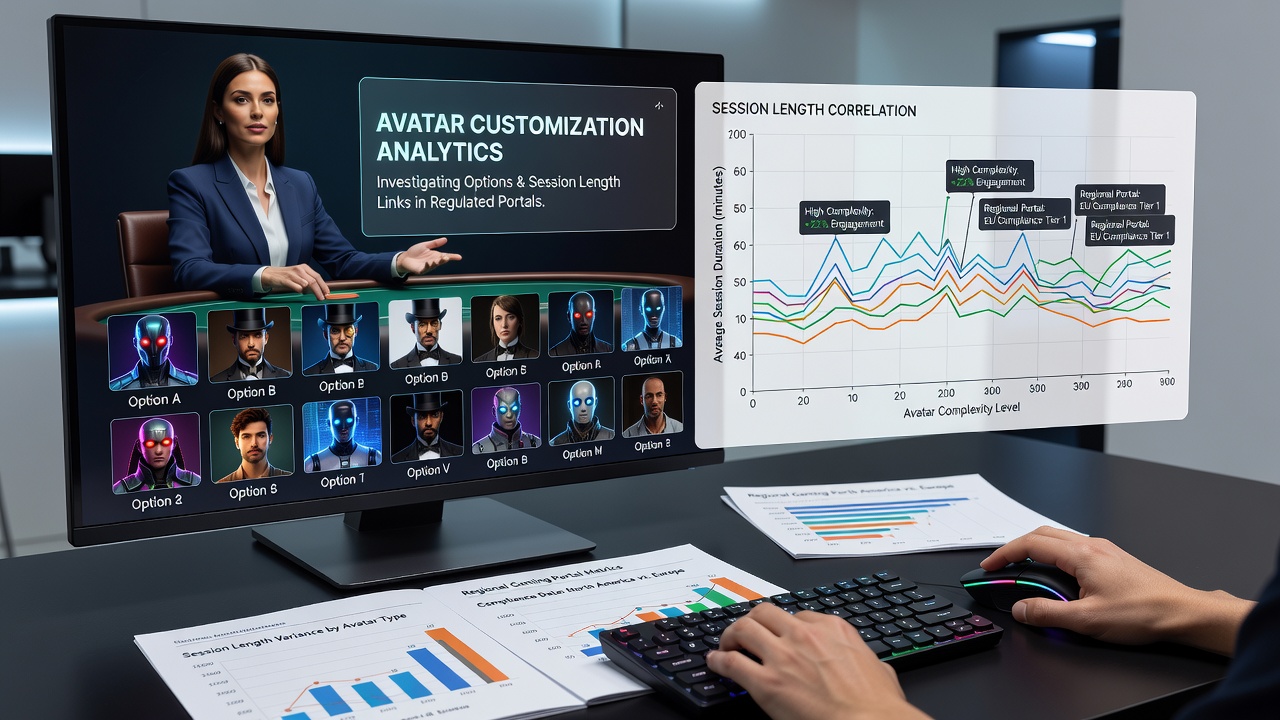
Investigating Avatar Customization Options in Live Dealer Interfaces and Their Links to Session Length Data in Regulated Regional Gaming Portals
Regulated regional gaming portals across multiple jurisdictions now integrate avatar customization features directly into live dealer interfaces, and researchers have begun tracking how these options correlate with player session durations. Data from state-approved platforms shows that users who modify their avatars spend extended periods at virtual tables, while those who skip personalization tend toward shorter interactions. Observers note this pattern holds steady in markets where licensing requirements mandate detailed user activity logging.
Avatar Features in Current Live Dealer Systems
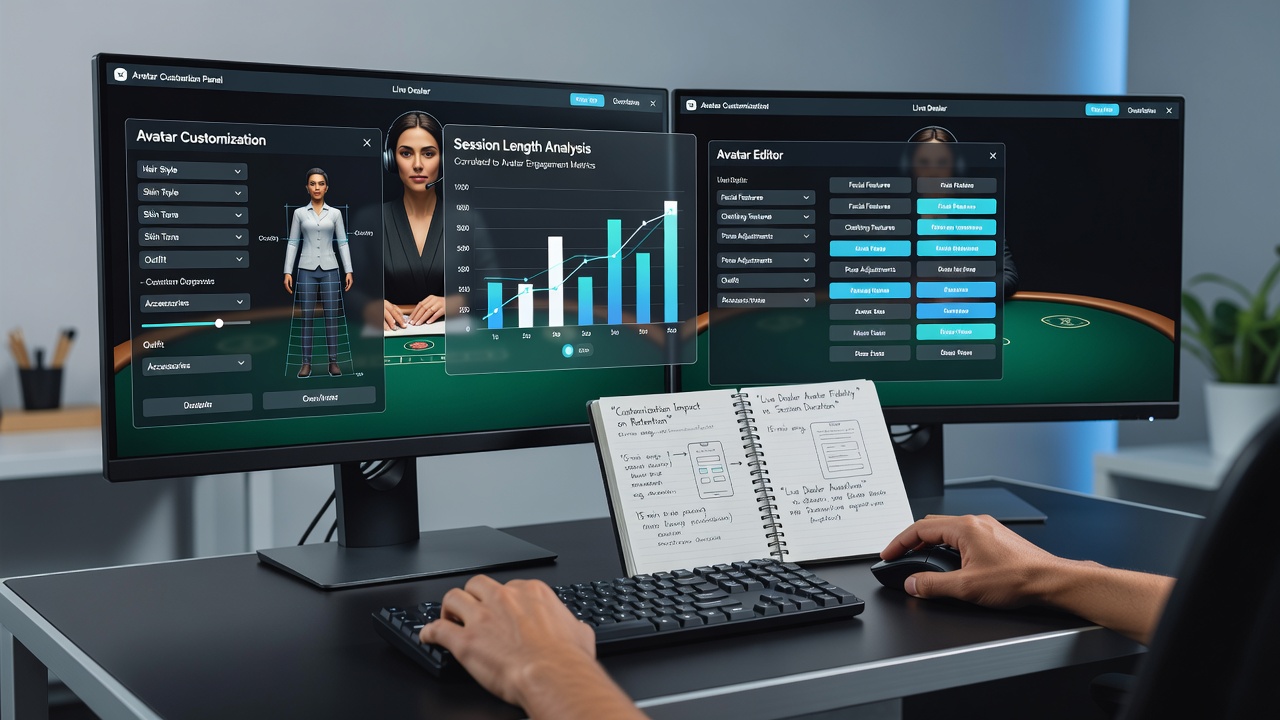
Platforms operating under regional oversight allow players to adjust elements such as clothing, accessories, facial features, and background settings before joining a live dealer table. These choices persist across sessions when accounts remain active, and system logs record each modification alongside timestamps. In October 2026 several portals updated their interfaces to include seasonal avatar items tied to regional events, creating additional data points for analysts to examine against session metrics.
Customization menus typically appear during initial login or when a player switches from one game type to another, and developers track selection frequency through built-in analytics tools. Figures from multiple sites indicate that roughly 60 percent of active accounts apply at least one change within the first three visits, though the depth of those changes varies by age group and game category.
Session Length Patterns Linked to Customization
Studies conducted on data from regulated environments reveal that accounts with customized avatars record average session lengths 18 to 22 minutes longer than accounts using default appearances. The difference appears most pronounced in blackjack and roulette rooms, where players remain at a single table for extended stretches. Researchers attribute part of this extension to the time spent refining avatar details before gameplay begins, yet the gap persists even after accounting for that initial period.
Portal operators collect this information through mandatory reporting systems that anonymize individual identities while preserving aggregate trends. When customization levels increase from basic color swaps to full outfit selections, session data shows further upward movement, particularly among users who return on consecutive days. One analysis of portal activity in a North American jurisdiction found that players completing three or more avatar edits per month maintained sessions averaging 47 minutes compared with 29 minutes for those making no edits.
Regional Regulatory Influences on Data Collection
Each regulated area imposes distinct requirements on how operators store and report interface interaction data, which affects the granularity available for studying avatar customization effects. In jurisdictions with stricter record-keeping rules, platforms maintain logs that separate avatar activity from core game events, allowing clearer comparisons across user groups. Those same rules often require operators to submit monthly summaries that include session duration ranges broken down by interface features.
Canadian provincial systems, for example, require detailed feature usage reports that feed into broader industry reviews, while certain Australian state frameworks focus on cross-platform consistency so researchers can compare avatar-related metrics between different providers. These variations mean that comprehensive studies sometimes combine datasets from multiple sources to identify patterns that single jurisdictions cannot reveal on their own.
Technical Implementation and Measurement Challenges
Live dealer interfaces rely on real-time rendering engines that update avatar appearances instantly when players apply changes, and backend systems timestamp every adjustment alongside table entry and exit events. Measurement accuracy depends on consistent tagging of these events, yet occasional synchronization issues between front-end displays and logging servers create small gaps in the data. Engineers address these gaps through periodic audits that verify timestamp alignment across thousands of recorded sessions.
Third-party analytics firms contracted by operators apply statistical models to isolate avatar customization as a variable while controlling for factors such as game type, time of day, and promotional activity. Results from these models consistently point to a positive association between customization depth and session length, although causation remains difficult to establish without controlled experiments that regulators rarely permit.
Future Data Integration Across Portals
Industry groups have begun discussing standardized data schemas that would allow avatar customization metrics to transfer between portals operating under different regional licenses. Such standardization could enable larger-scale comparisons while maintaining compliance with each jurisdiction's privacy rules. Preliminary working groups have identified common data fields that cover modification counts, session timestamps, and game category, yet full implementation remains several quarters away.
Conclusion
Available records from regulated regional gaming portals show measurable connections between avatar customization activity and extended session lengths in live dealer environments. As operators continue refining interface tools and regulators maintain detailed reporting standards, the volume of usable data will grow, supporting more precise examinations of how specific customization elements influence player behavior across different markets.